Fleet Monitoring & Downtime
A vehicle sitting idle in a repair bay generates zero revenue. For taxi operators, proactive fleet monitoring translates directly into higher vehicle availability. The goal is moving from reactive repair to predictive operational visibility.
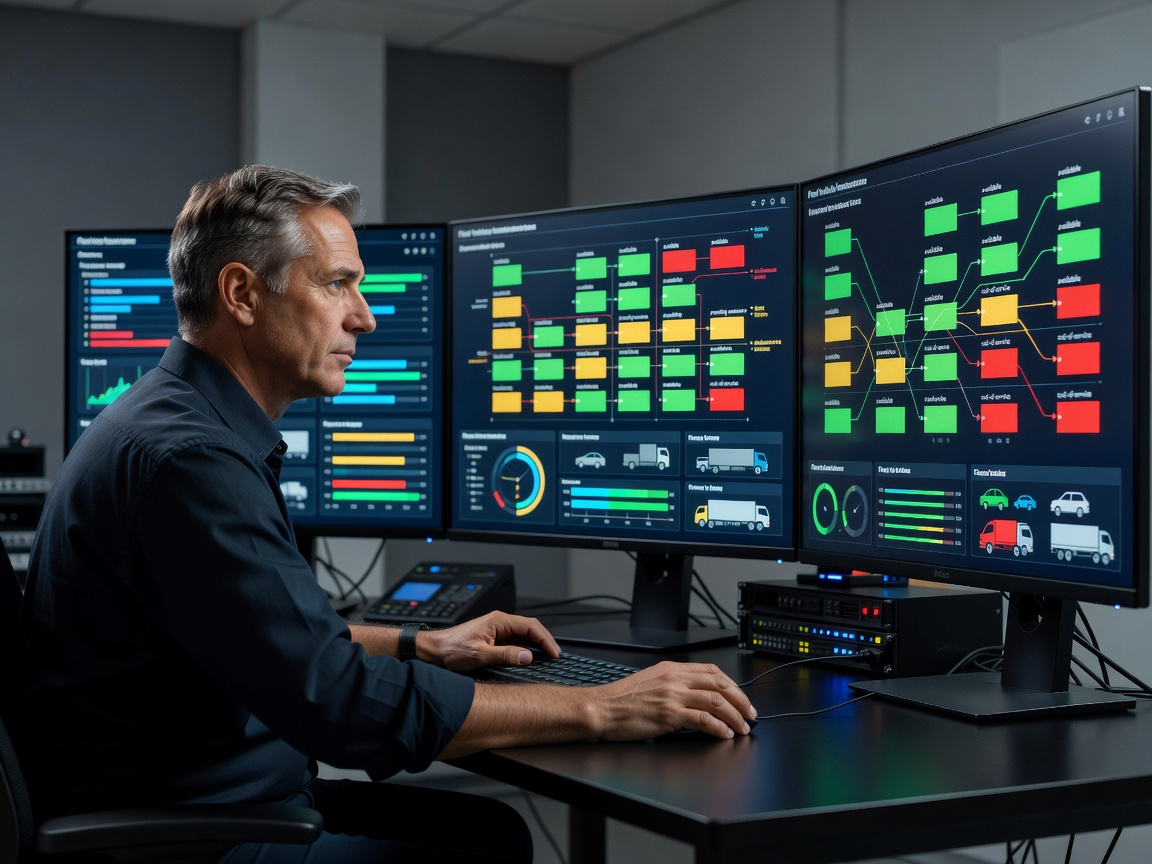
Digital Visibility vs Physical Inspection
Modern fleet dashboards offer exceptional insight into vehicle status, capturing metrics like GPS location, current state of charge, odometer readings, and active diagnostic trouble codes (DTCs). However, it is vital to understand the difference between monitoring digital information and actual physical inspection.
A telematics system can issue a maintenance alert for a drop in tire pressure (via TPMS) or a 12V battery failure, but it cannot tell you if a tire sidewall is dangerously blistered or if a suspension joint is physically worn. Monitoring software directs your attention; human technicians must verify the physical reality.
Downtime Categories
To improve vehicle availability, operators must rigorously categorise their downtime. Not all downtime is equal:
- Scheduled Maintenance: Pre-planned servicing, tire rotations, and statutory safety inspections. This is positive downtime.
- Awaiting Parts/Service: The vehicle is broken but cannot be repaired immediately due to supply chain delays or workshop capacity. This is highly detrimental.
- Charging Bottlenecks: The vehicle is technically operable but cannot be deployed because it lacks energy and no chargers are available. This is an operational failure.
- Collision/Bodywork: Unpredictable downtime caused by on-road incidents.
By tracking downtime categories over time, fleet managers can spot recurring issues. If "Awaiting Parts" represents the largest chunk of downtime, the solution might involve holding critical EV-specific wear items in depot inventory.
Effective Monitoring Practices
- Setting automated alerts for critical system faults
- Reviewing maintenance history before scheduling services
- Integrating telematics with driver shift schedules
- Establishing clear escalation priorities for faults
Common Monitoring Pitfalls
- Alert fatigue from setting threshold triggers too low
- Ignoring 12V system health warnings
- Failing to log manual workshop interventions
- Relying purely on software without physical walkarounds
Escalation Priorities and Service Scheduling
Not every dashboard alert requires pulling a taxi off the road mid-shift. Effective service scheduling relies on strict escalation priorities. A fault indicating high-voltage isolation loss must result in immediate grounding of the vehicle. Conversely, a warning about a low windshield washer fluid level can be deferred until the vehicle returns to the depot for its scheduled charge.
Operational reporting should aggregate these alerts. If three vehicles consistently report minor thermal management warnings on hot days, fleet managers can proactively schedule cooling system inspections before those warnings become full system failures.