Electric Fleet Maintenance
Keeping an electric taxi fleet operational requires a shift in how you view preventive maintenance. While internal combustion engine (ICE) servicing focuses heavily on fluids and filters, EV maintenance is dominated by heavy chassis wear, thermal management, and high-voltage system integrity.
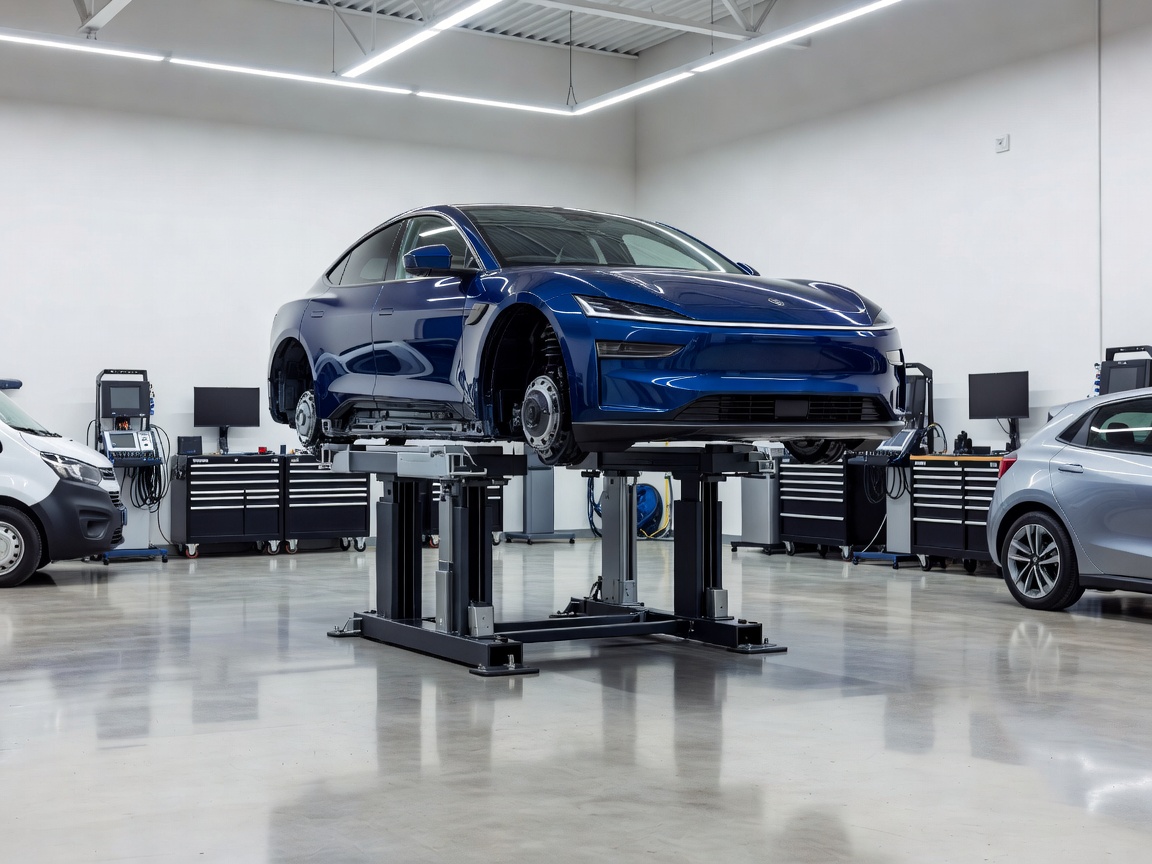
Understanding High-Mileage Taxi Use
Electric vehicles operated as taxis accumulate miles rapidly, often running in multi-shift configurations. Because an EV's powertrain has fewer moving parts, maintenance naturally gravitates toward items that make contact with the road and those that manage passenger comfort.
Maintenance needs vary significantly by vehicle design, daily usage, climate conditions, and explicit manufacturer requirements. Never treat two different models exactly the same, as their thermal loops, suspension architecture, and braking logic differ.
Critical Wear Items in EVs
Tires and Suspension
EVs are heavy due to their battery packs and generate instant torque. For a taxi performing constant stop-and-go city driving, this translates directly to accelerated tire wear. Fleet operators should prioritize High Load (HL) rated tires specifically designed to handle EV weight and torque. Consistent alignment checks are vital to prevent uneven wear, which can drain your operational budget faster than electricity costs.
Braking Systems
Regenerative braking means the physical friction brakes (pads and rotors) are used much less than on an ICE vehicle. However, lack of use presents its own unique challenge. Caliper slide pins can seize, and rotors can develop deep surface rust, especially in damp or winter climates. Routine inspection scheduling must include cleaning and lubricating brake components, rather than just waiting for pads to wear down.
Systems Specific to EVs
Cooling Systems
The battery and power electronics rely on complex thermal management circuits. Coolant levels need regular visual checks, and the fluid itself requires replacement according to manufacturer intervals. Degradation in cooling performance directly limits charging speed and battery lifespan—two critical metrics for taxi availability.
Cabin Systems and Filters
Taxis see exceptional passenger turnover. High-efficiency particulate air (HEPA) filters or standard cabin air filters must be replaced frequently to maintain a healthy environment for drivers and passengers. A clogged filter also forces the HVAC system to work harder, which can noticeably reduce the vehicle's driving range.
Charging Equipment Checks
Don't neglect the physical charging port on the vehicle. High-use fleet vehicles are plugged in and unplugged constantly. Inspect the charge port pins for arcing, dirt, or physical damage. A damaged port can cause a fast charger to derate its speed or refuse the session entirely, resulting in unplanned vehicle downtime.
Planned Maintenance
- Predictable vehicle downtime
- Allows for scheduled driver reassignment
- Prevents cascading component failures
- Maintains battery warranty compliance
Reactive Maintenance
- Occurs during peak revenue hours
- Causes unexpected driver downtime
- Often results in higher parts costs
- Damages fleet reputation for reliability
Service Records and Prioritisation
Maintaining meticulous service records is non-negotiable. Because physical inspections of high-voltage components and chassis parts are so critical, knowing exactly when a vehicle was last on a lift helps operators prioritise which cars to pull from the shift rotation. Always separate planned maintenance (scheduled inspections, tire rotations) from reactive maintenance (collision repair, unexpected faults) when calculating your vehicle availability metrics.
Note: Under no circumstances should unqualified personnel attempt repairs on high-voltage battery packs, cabling, or power electronics. High-voltage systems require specific electrical isolation procedures. Always direct high-voltage issues to appropriately qualified EV technicians and follow manufacturer procedures.