Battery & Range Management
For an electric taxi fleet, range is revenue. Managing the battery effectively requires a clear understanding of the difference between physical state of charge and the software-estimated range displayed on the dashboard.
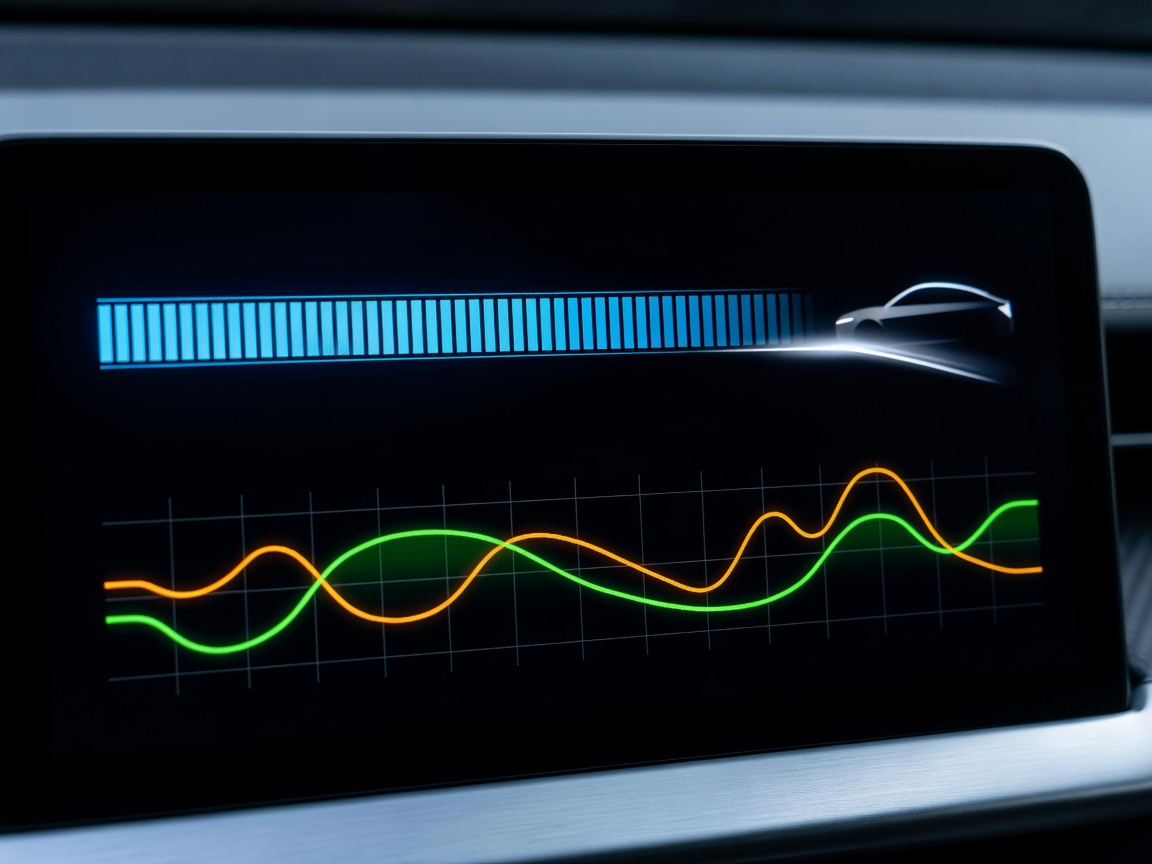
Demystifying Range Terminology
To communicate effectively with drivers and manage dispatch operations, operators must distinguish between three distinct metrics:
- Battery State of Charge (SoC): The actual percentage of chemical energy remaining in the pack (e.g., 65%). This is an absolute measurement.
- Estimated Range: The dashboard's prediction of how far the vehicle can travel. This is calculated dynamically based on recent driving history, climate settings, and outside temperature.
- Energy Consumption: How efficiently the vehicle is moving, usually measured in miles per kWh or kWh per 100km.
Range uncertainty frequently stems from drivers treating the estimated range as an exact guarantee rather than an educated guess based on past data.
Driving Patterns and Route Demands
Taxi routes are highly variable. A vehicle doing airport runs on the highway will consume energy much faster than a vehicle doing low-speed city centre crawling. In city traffic, EVs excel because regenerative braking recovers energy during frequent stops, and aerodynamic drag is minimal. On high-speed routes, aerodynamic resistance increases exponentially, draining the battery faster.
Operators must match route demands with charging habits. If a driver expects a long-distance fare at the end of their shift, fleet-level battery monitoring allows dispatchers to assign the job to a vehicle with a sufficient State of Charge, rather than the vehicle that has been running highway routes all morning.
Good For Maximising Range
- Pre-conditioning the cabin while plugged in
- Smooth acceleration and deceleration
- Utilising heated seats over cabin air heating
- Consistent city-speed route profiles
What to Know (Range Drainers)
- Heavy reliance on AC or electric resistive heaters
- High-speed highway driving profiles
- Carrying heavy passenger loads and luggage
- Extreme ambient temperature drops
Seasonal Changes and Temperature Effects
Fleet operators must adjust their range expectations based on seasonal effects. Lithium-ion batteries have a preferred operating temperature window. In freezing winter conditions, the chemical reactions inside the cells slow down, which can temporarily reduce the usable capacity. Furthermore, heating a large taxi cabin with an electric heater draws significant power directly from the traction battery.
It is important to communicate these changes to drivers. A vehicle that easily covers a 12-hour shift on a single charge in spring may require a top-up charging window during a winter shift. There is no universally best charging strategy, as it depends heavily on local climate and vehicle specification.
Monitoring Trends Without Micromanagement
Modern fleet telematics provide deep insights into state of charge and charging behavior. Use this data to spot trends—such as vehicles frequently returning to the depot with less than 5% SoC, which stresses the battery and leaves zero operational margin. Identifying these trends allows for better operational scheduling rather than assigning blame. Note that exact battery degradation rates vary wildly by manufacturer and chemistry, and exact lifecycle guarantees should always be referenced against your OEM documentation.